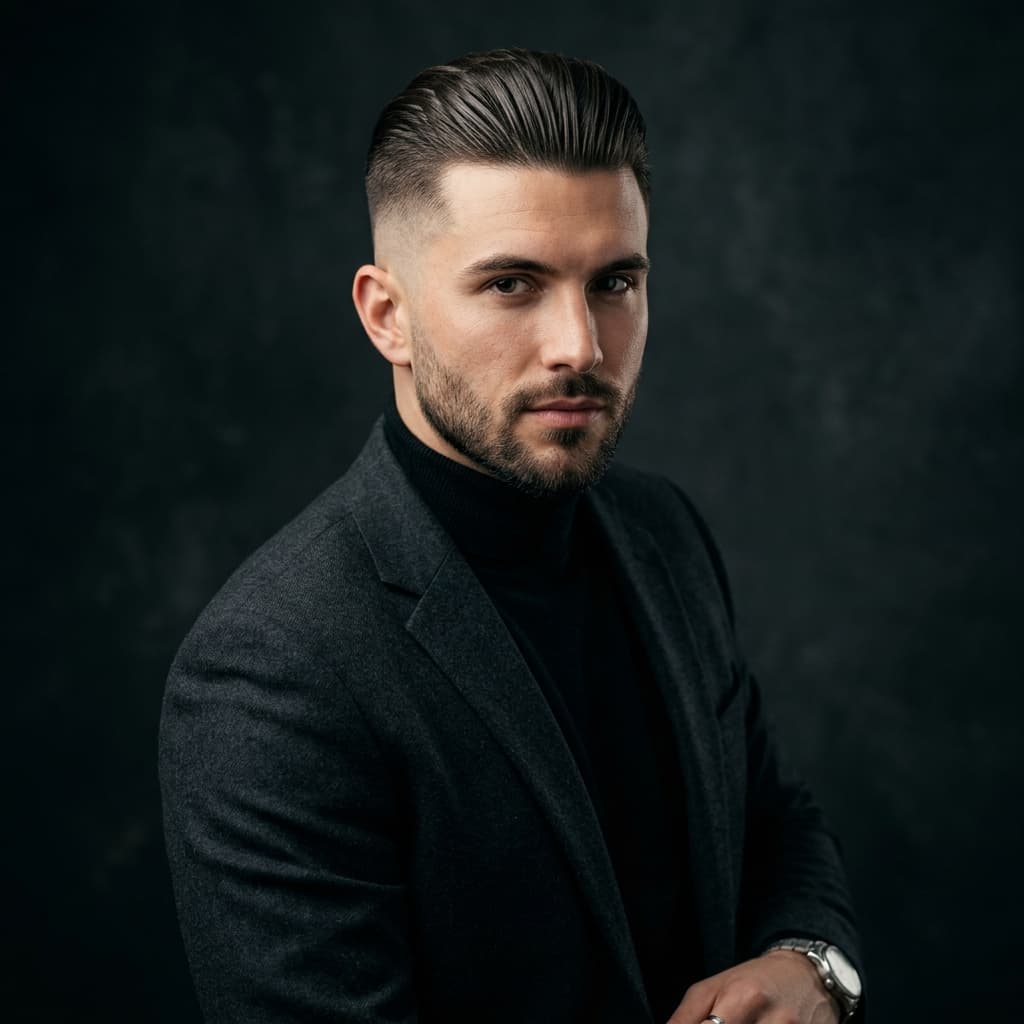
Born in the early 20th century and modernized in recent years, the undercut remains one of the sharpest, most striking haircuts a man can get. By completely removing hair from the sides and back, the undercut places all the focus on the length and volume on top.
In 2026, the harsh, severe undercuts of the past have evolved into more versatile, textured styles. Here are 5 ways to wear an undercut this year.
1. The Classic Slicked-Back Undercut
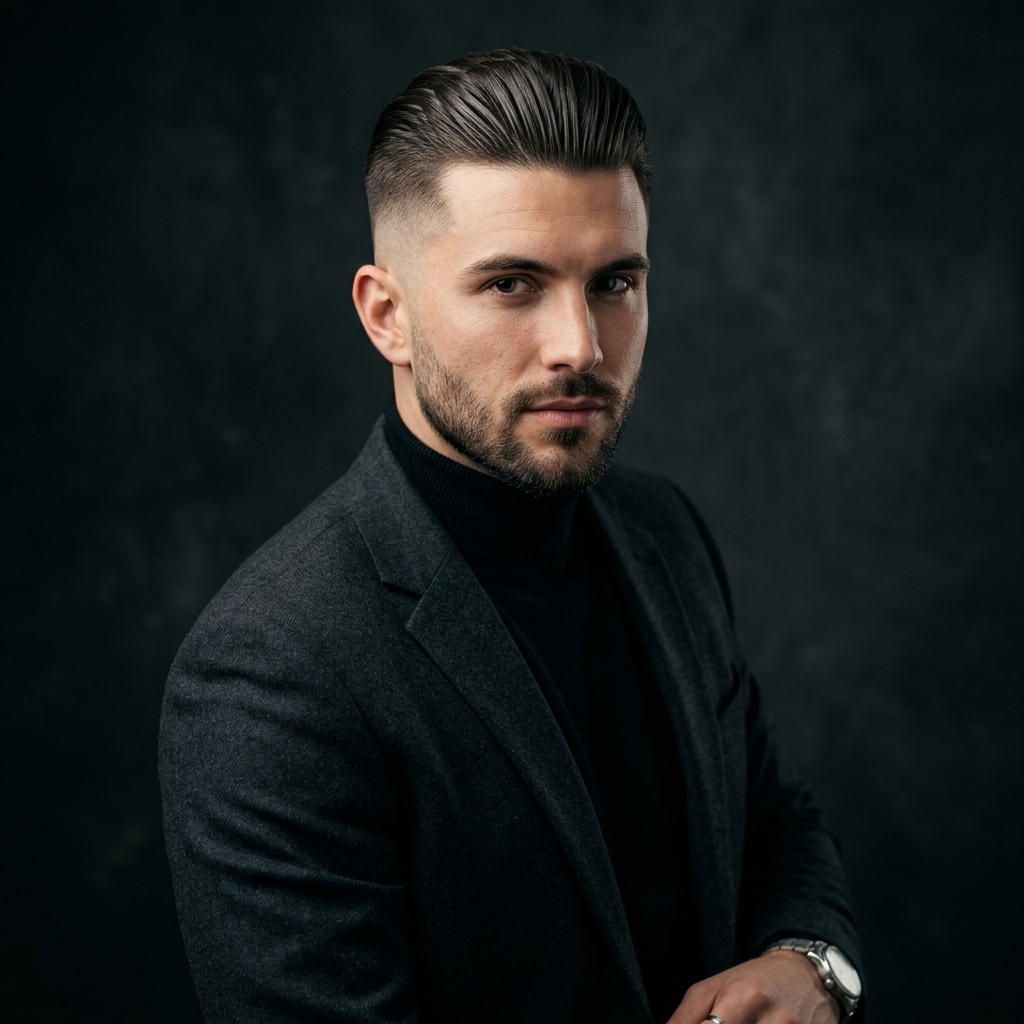
This is the quintessential "Peaky Blinders" look. The sides are buzzed down to the skin, and the top is grown out long enough to be slicked straight back with a strong-hold pomade.
Why it works: It is highly masculine and commands respect. It's an excellent choice for men with straight, thick hair who want a powerful, commanding silhouette.
2. The Disconnected Pompadour Undercut
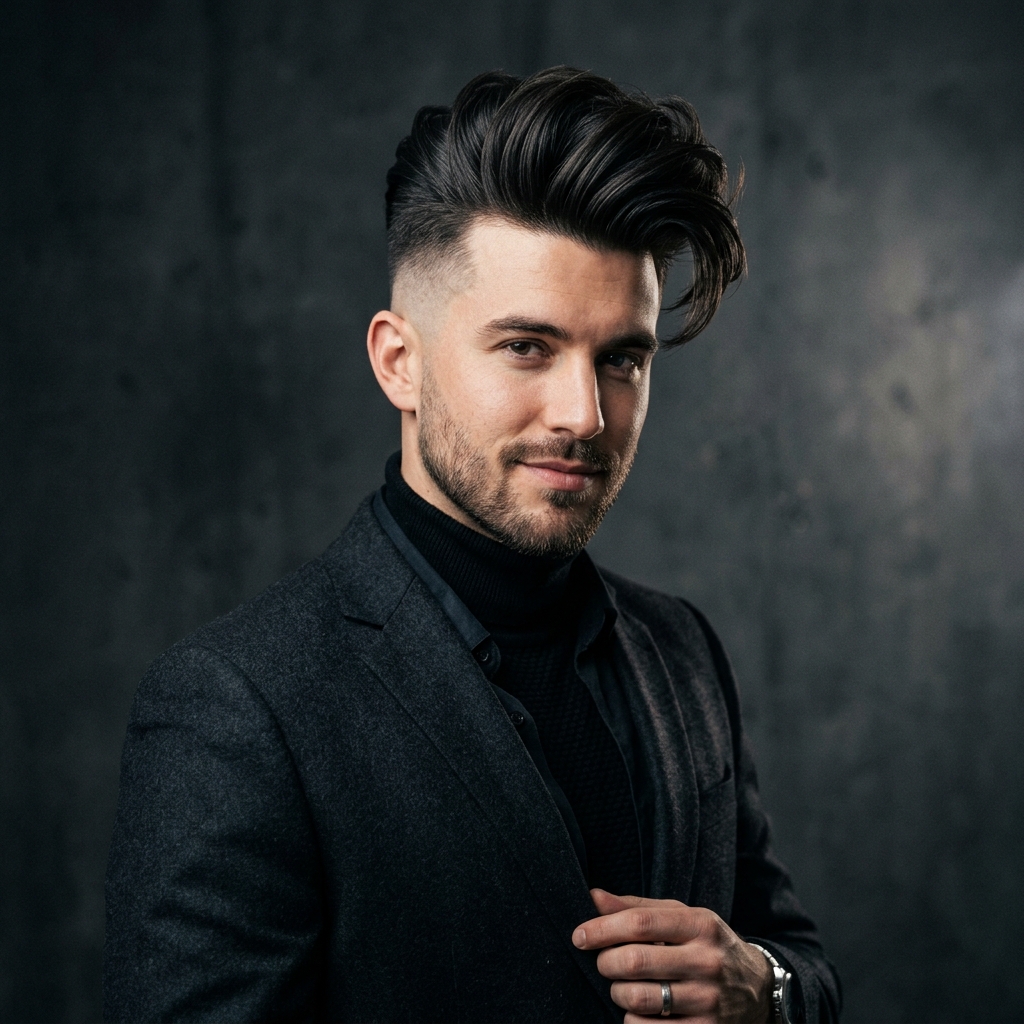
Instead of slicking the hair flat against the head, this style involves blowing the hair up and back to create a massive, voluminous pompadour that sharply contrasts with the shaved sides.
Why it works: It's a show-stopper. The stark contrast between the height of the hair and the bare skin on the sides creates a very bold, vintage-inspired look.
3. The Undercut Fade
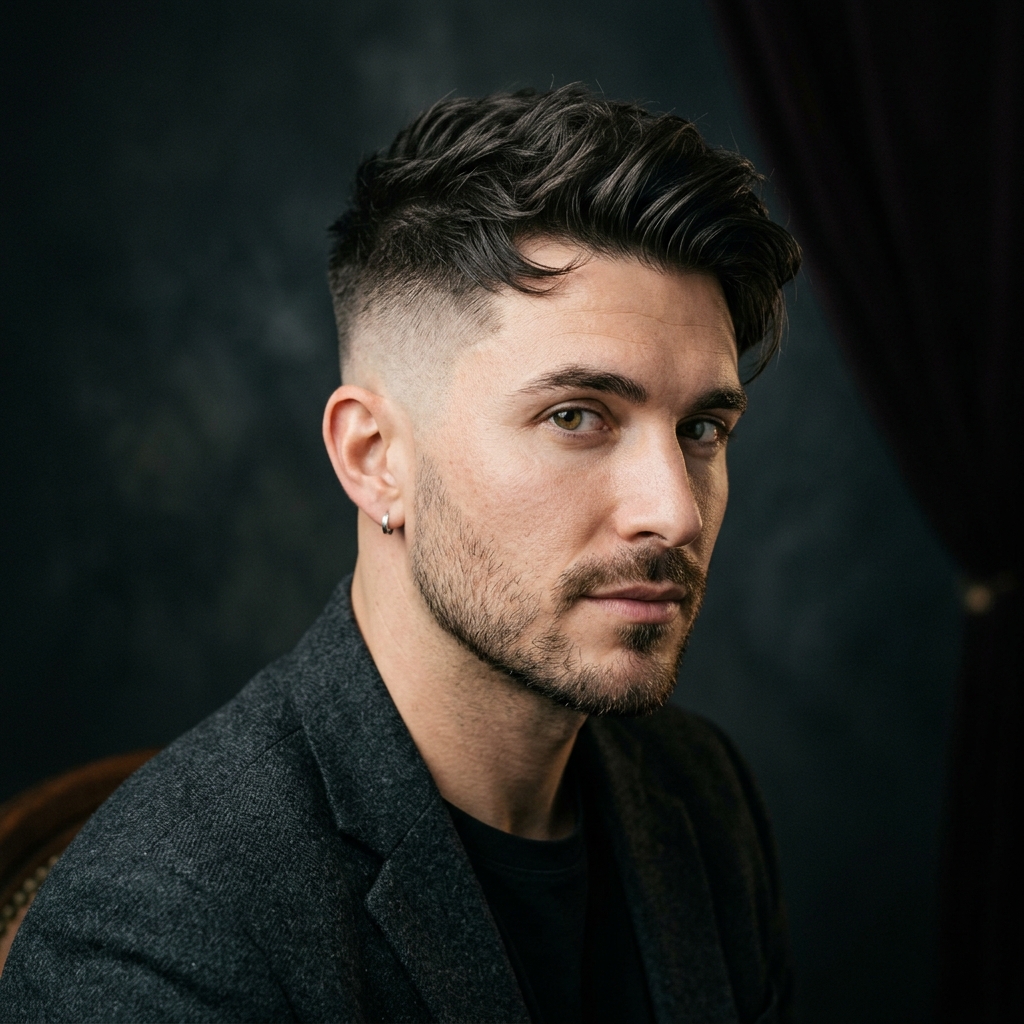
If a hard disconnection is too extreme for your taste, the undercut fade offers a compromise. It maintains the high shaved sides of an undercut but blends the very top edge into the long hair.
Why it works: It is softer and more universally flattering, making it appropriate for more conservative office environments while still maintaining an edge.
4. The Curly Undercut

For men with naturally curly or coily hair, the undercut is a lifesaver. By removing the sides, you eliminate the "mushroom" effect, letting your natural curls thrive on top.
Why it works: It tames thick curls, making them incredibly easy to manage in the morning while highlighting your natural hair texture.
5. The Casual Side-Swept Undercut

Instead of styling the hair back, the hair on top is grown out and casually swept to one side, allowing it to hang slightly over the buzzed undercut.
Why it works: It has a very relaxed, surfer-meets-city-boy aesthetic. It doesn't require stiff products—just a bit of sea salt spray for texture.
Is an Undercut Right for You?
Undercuts are striking, but they do expose your face shape and ear structure completely. If you have a round face, the height of a pompadour undercut will elongate it perfectly.
Not sure if you should take the plunge and shave the sides? Upload a photo to our AI Previewer to see exactly how you'd look with an undercut before the clippers even turn on!