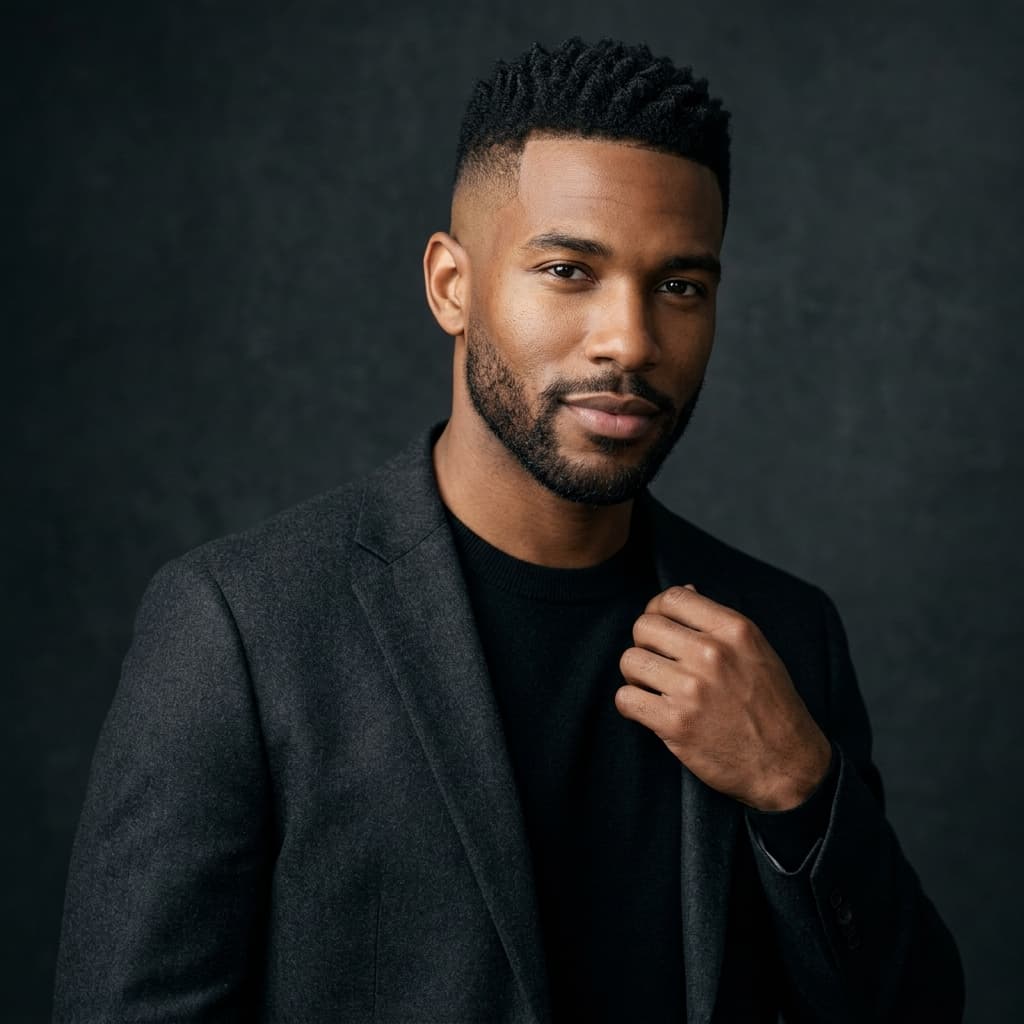
The fade haircut is the foundation of modern men's grooming. It is incredibly versatile, pairing perfectly with everything from a short buzz cut to long, textured curls. In 2026, the fade remains the most requested technique in barbershops worldwide.
Whether you want a subtle, professional look or a bold, high-contrast style, here are the top 5 fade haircuts you should consider for your next barber visit.
1. The Clean Low Fade
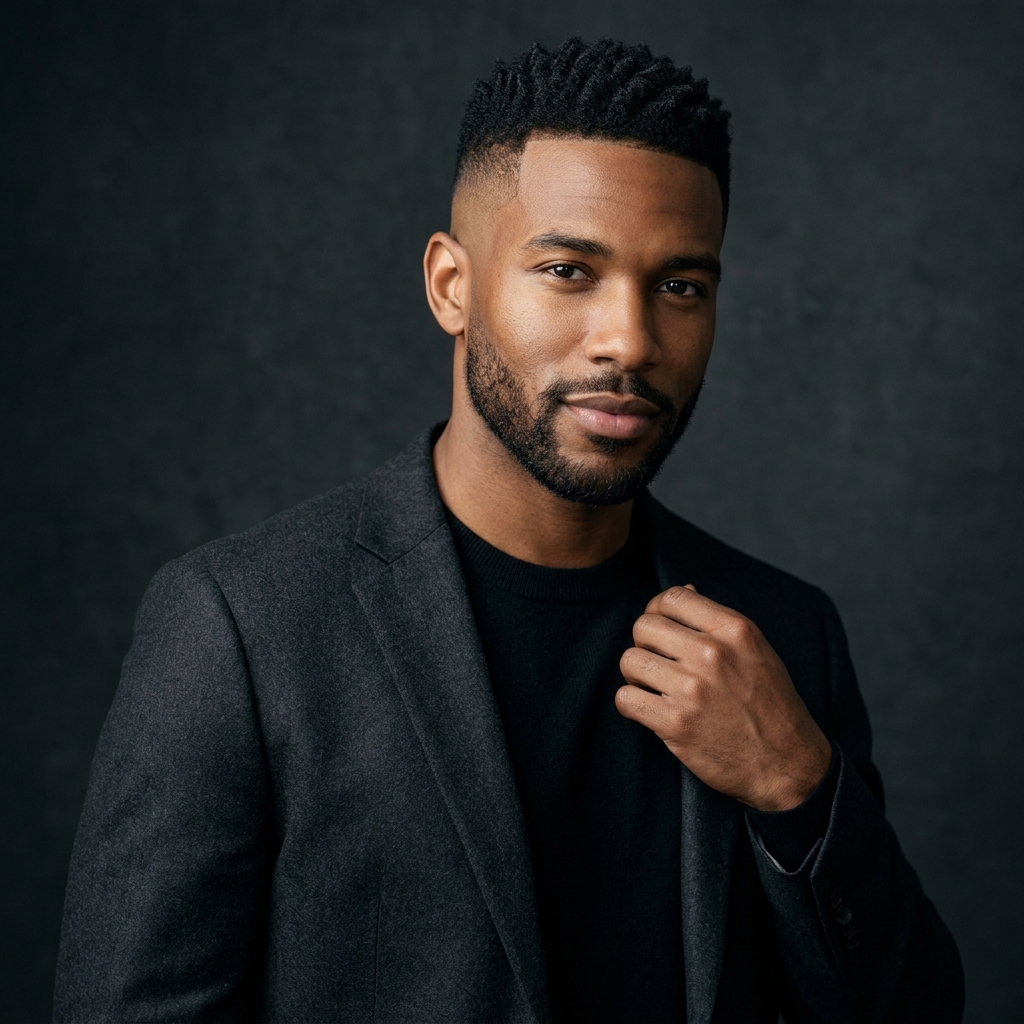
The low fade is the perfect entry point if you've never had a fade before. The tapering starts very low on the head, just above the ears and the nape of the neck.
Why it works: It's subtle, highly professional, and pairs wonderfully with beards, allowing for a seamless transition from facial hair to scalp hair.
2. The Mid Fade with a Quiff
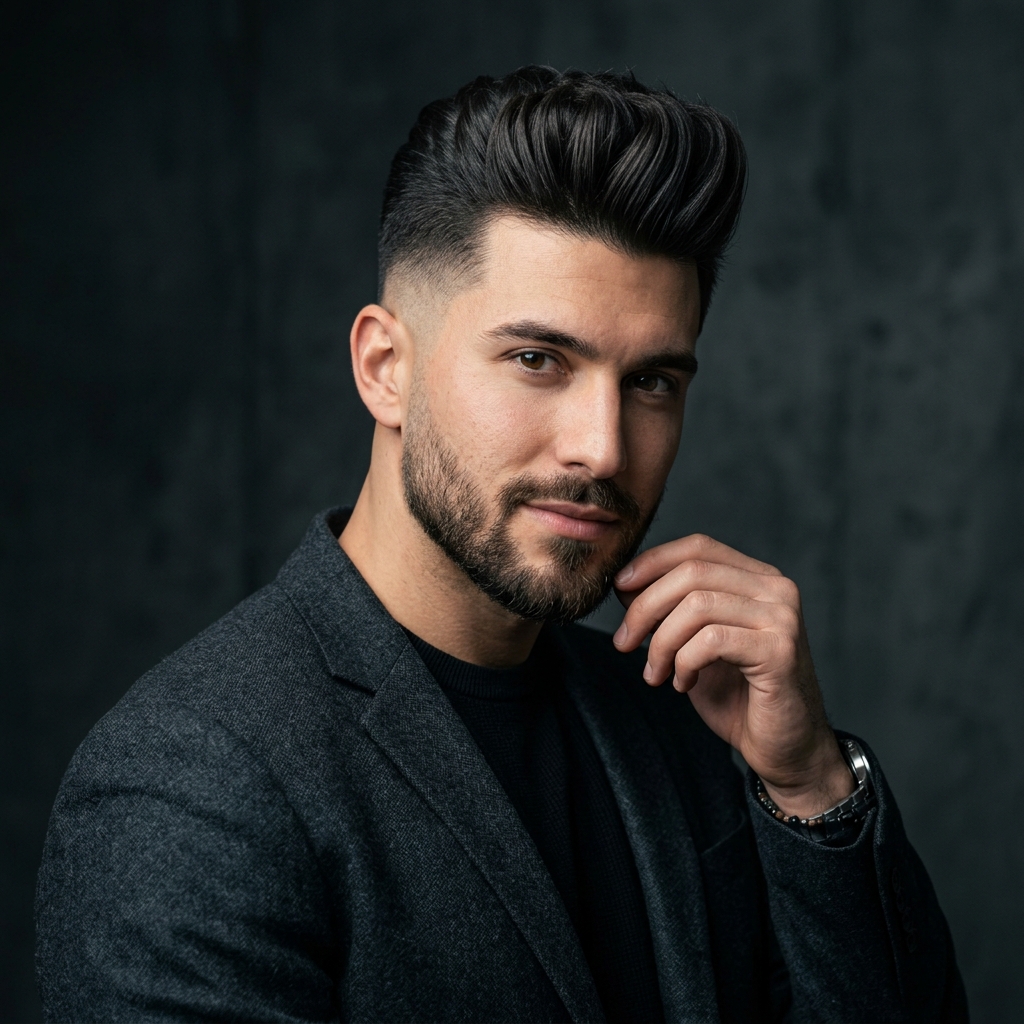
The mid fade strikes the perfect balance. It starts around the temples and creates a prominent contrast between the short sides and a voluminous top, like a quiff or pompadour.
Why it works: It suits almost every face shape and hair type. It provides the clean lines of a high fade without exposing too much scalp.
3. The High Fade Buzz Cut
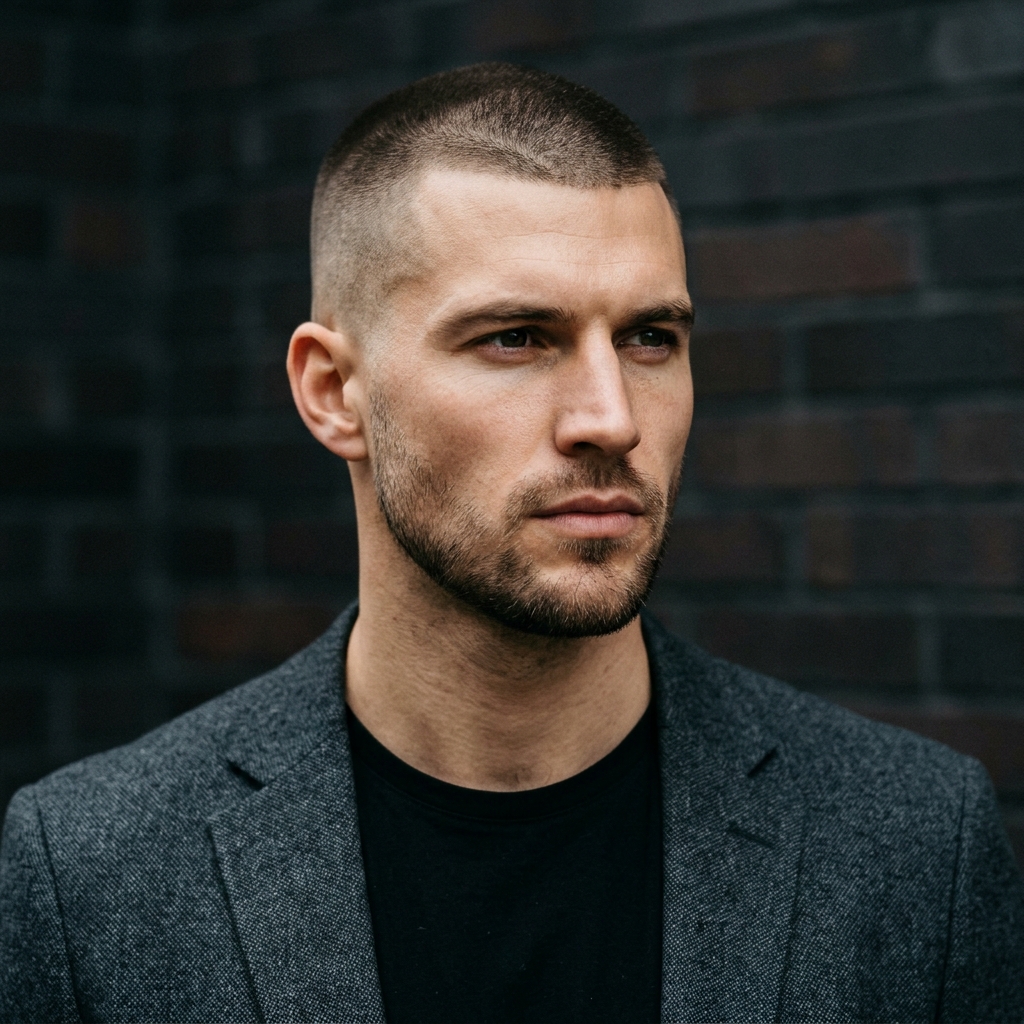
Sharp, masculine, and zero-maintenance. The high fade starts near the top of the head, dropping down rapidly to the skin, paired with a tightly clipped top.
Why it works: It highlights strong facial features and jawlines. It's the ultimate "get up and go" haircut for active lifestyles.
4. The Trendy Burst Fade
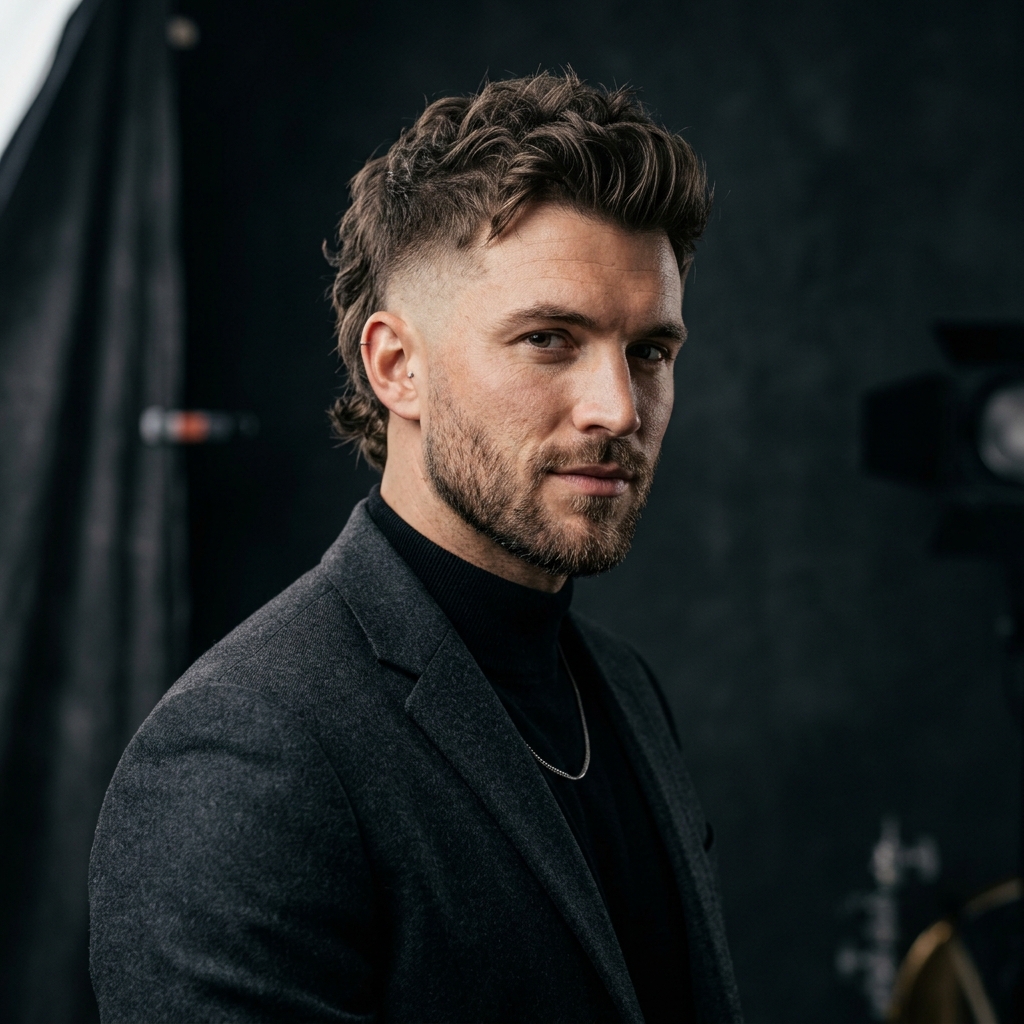
The burst fade is exploding in popularity. Instead of fading all the way around the head, the fade curves around the ear, leaving the hair at the nape longer (often styled as a textured mullet).
Why it works: It's incredibly stylish and edgy, perfect for those wanting to stand out and embrace modern hair trends.
5. The Drop Fade with Curls
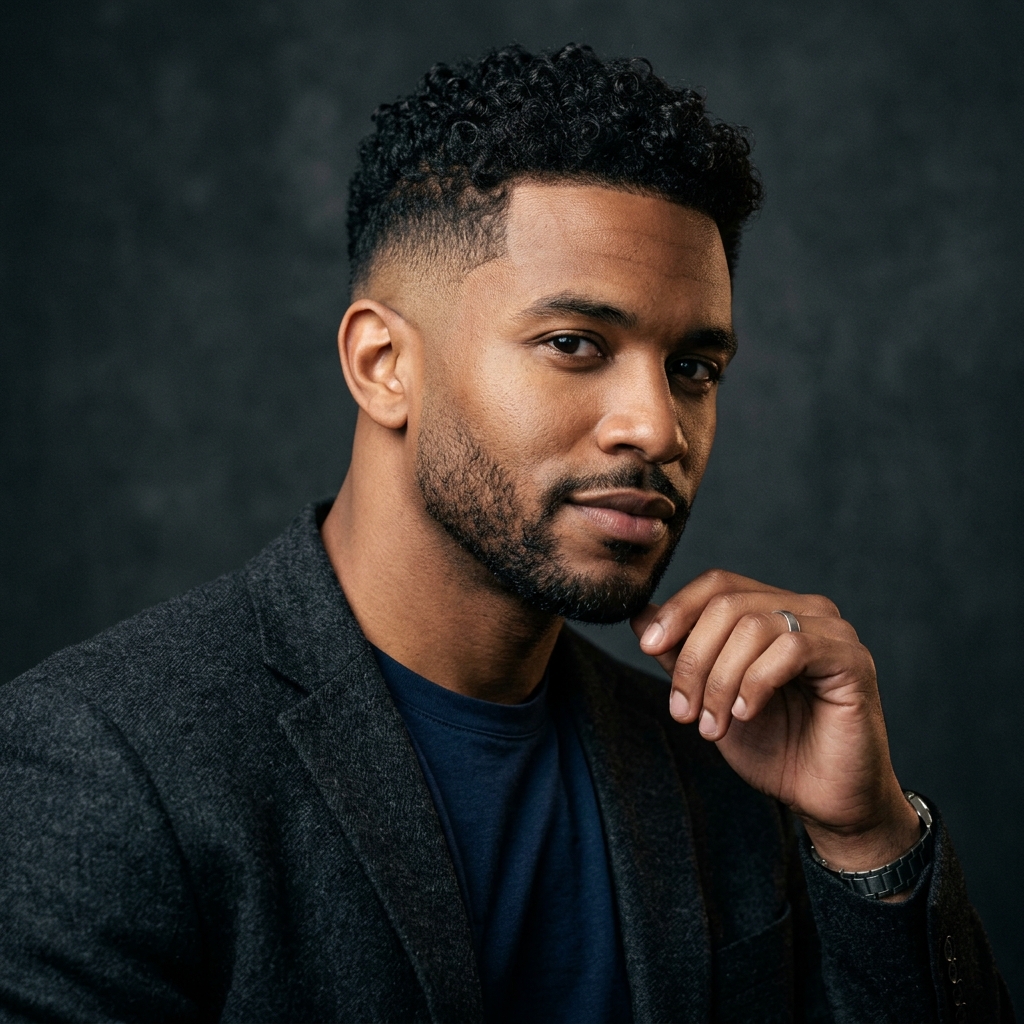
The drop fade is similar to a regular fade, but it smoothly drops low behind the ears, creating a beautiful arc. It looks phenomenal when paired with natural curls or twists on top.
Why it works: The arc of the fade creates a dynamic silhouette that complements the volume and texture of curly hair perfectly.
How to Communicate with Your Barber
Don't just ask for a "fade." Specify the height (low, mid, or high) and how short you want it to go (e.g., a "skin fade" goes down to the bare scalp, while a "shadow fade" leaves a tiny bit of hair).
Not sure which fade height will suit your head shape? Upload a photo and use our AI Previewer to try on different fades before you sit in the barber's chair!